
Cultural perspectives on gambling How beliefs shape our choices
آنچه در این مقاله می خوانید ...
The Historical Evolution of GamblingCultural Attitudes Towards GamblingThe Role of Religion in Shaping BeliefsThe Psychological Aspects of Gambling ChoicesExploring Online Gambling TrendsCultural perspectives on gambling How beliefs shape our choices
The Historical Evolution of Gambling
Gambling has a rich history that transcends cultural boundaries, dating back thousands of years. Various civilizations have engaged in games of chance, from ancient China, where tiles were used for gambling, to the Roman Empire, which featured betting on gladiatorial contests. This historical context shapes modern perceptions of gambling, creating a tapestry of beliefs and practices that differ across regions. With the rise of the internet, players are increasingly drawn to new casinos online real money, which reflect these evolving practices.
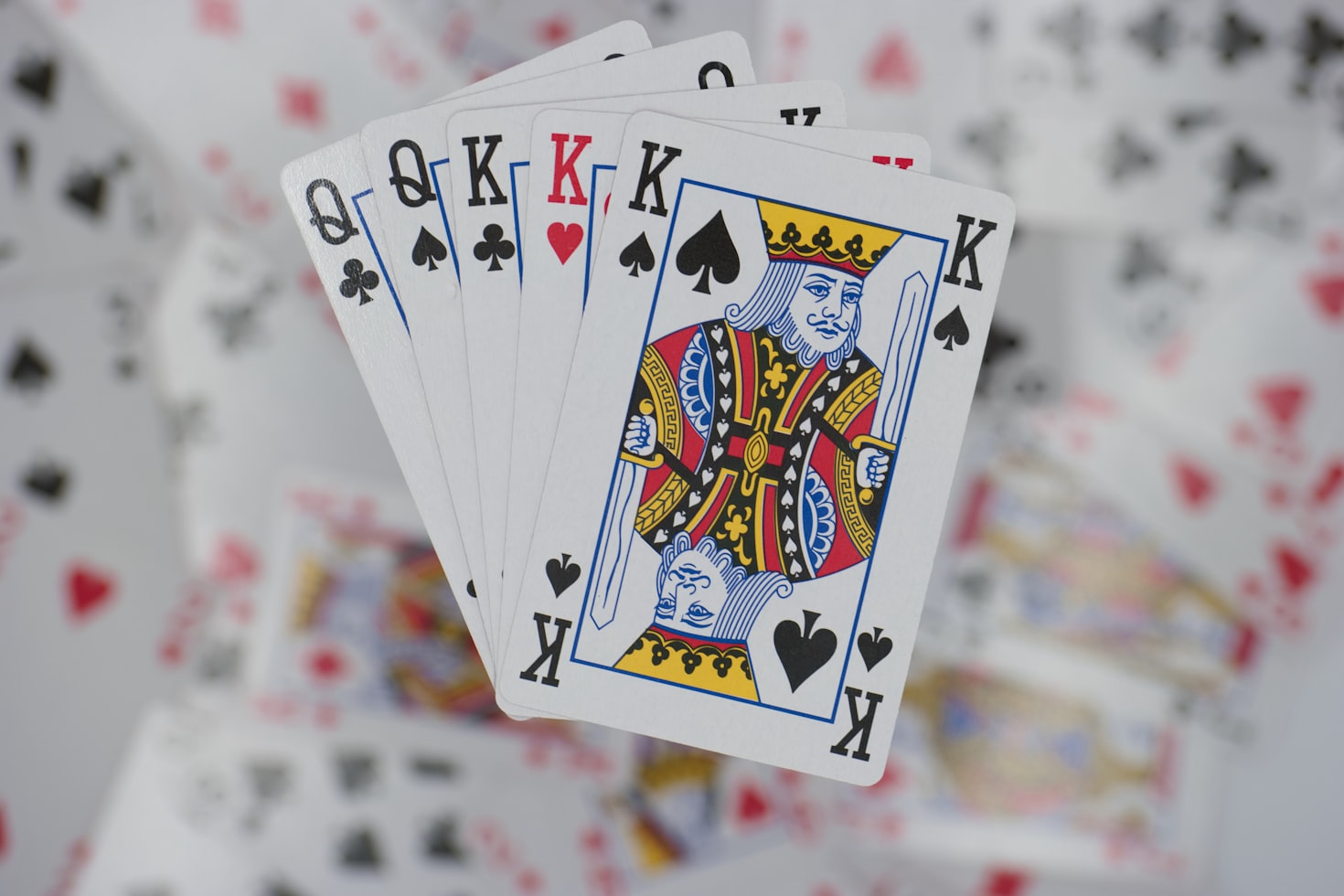
Over the centuries, the evolution of gambling has been influenced by societal norms, religious beliefs, and economic conditions. For instance, in some cultures, gambling is seen as a form of entertainment and social bonding, while in others, it may be viewed as a moral failing or a vice to be avoided. These historical contexts inform contemporary attitudes towards gambling, influencing personal choices and community perspectives.
Cultural Attitudes Towards Gambling
Cultural attitudes play a pivotal role in shaping individual and collective choices regarding gambling. In certain societies, like those in Las Vegas or Monte Carlo, gambling is celebrated as part of a vibrant nightlife and an economic boon. Conversely, in cultures with strong religious ties, such as certain Islamic communities, gambling is strictly prohibited and seen as incompatible with moral values.
The dichotomy in cultural attitudes towards gambling often leads to differing regulations and social acceptance levels. Understanding these cultural frameworks is essential for recognizing how beliefs and values shape our choices in gambling practices and preferences.
The Role of Religion in Shaping Beliefs
Religion significantly influences gambling attitudes across various cultures. In many faiths, religious teachings provide guidelines on moral behavior, and gambling is often scrutinized under these lenses. For example, Christianity and Islam generally view gambling as unethical, which influences the behavior of adherents and shapes societal norms.
Conversely, some indigenous religions embrace gambling as a part of spiritual rituals or community gatherings. This dichotomy highlights how religious beliefs can either stigmatize or normalize gambling, affecting how individuals approach the practice and the choices they make in relation to it.
The Psychological Aspects of Gambling Choices
Psychological factors, influenced by cultural backgrounds and beliefs, significantly impact gambling choices. Individuals may gamble as a means of escape, social connection, or self-identity, which can be affected by cultural narratives surrounding luck, fate, and risk. These psychological motivations can lead to varying gambling habits, from casual play to compulsive behavior.
Understanding the psychological aspects of gambling can help communities create more effective support systems and education programs that align with cultural beliefs, addressing the issues surrounding problem gambling while respecting diverse perspectives.

Exploring Online Gambling Trends
As the gambling landscape evolves, online platforms have gained significant traction, providing a new arena for cultural perspectives to play out. Online gambling allows individuals from different cultures to engage with games and betting practices in their own way, often leading to a fusion of traditional beliefs with modern technology.
Many websites now cater to specific cultural preferences, offering tailored experiences that consider local gambling norms and values. This shift highlights the ongoing interplay between cultural beliefs and gambling choices, encouraging a more inclusive environment for players worldwide.
جهت خرید و فروش این محصول می توانید با ما در ارتباط باشید:
مشاور فروش
راه های ارتباطی: